

This three-book series examines how religion shaped the personal convictions and public philosophies of key American founders, revealing belief as a lived, evolving force rather than a fixed label. Through biography and close engagement with primary sources, the volumes trace faith, doubt, and intellectual influence across the lives of Alexander Hamilton, Benjamin Franklin, and James Madison, showing how private conscience informed public action. Together, they explore Christianity, Enlightenment thought, religious pluralism, and the struggle for liberty, offering a nuanced portrait of how religious ideas helped shape both individual lives and the American experiment itself.
Showing all 3 results
-
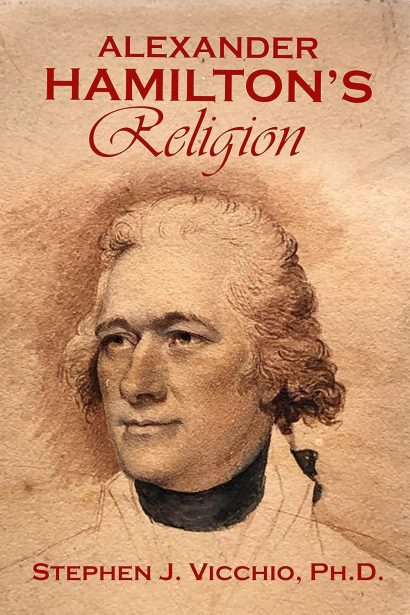
Alexander Hamilton’s Religion
This study examines Alexander Hamilton’s religious life and thought. After a brief biography of his early faith, it explores Hamilton’s Christianity, views of the Bible, and perspectives on Judaism, Catholicism, and Islam. It also addresses ethics, religious freedom, prayer, slavery, and nationalism. The book argues Hamilton was deeply religious early and late in life—less so in between.
-
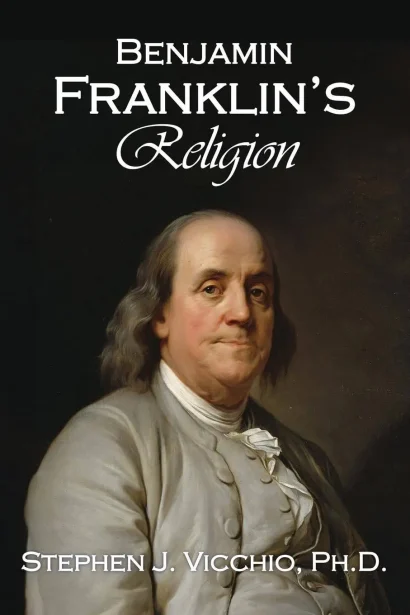
Benjamin Franklin’s Religion
This book explores the religious views of Benjamin Franklin. It traces his early adoption of his parents’ Congregationalist and Presbyterian influences, a long period of doubt, and his reflections on religion while serving as a diplomat in Britain and France—followed by a late-life return to his parents’ monotheism. It examines the intellectual roots of his beliefs, including the Enlightenment, Deism, and the philosophers and theologians he read despite having only two years of formal schooling.
-
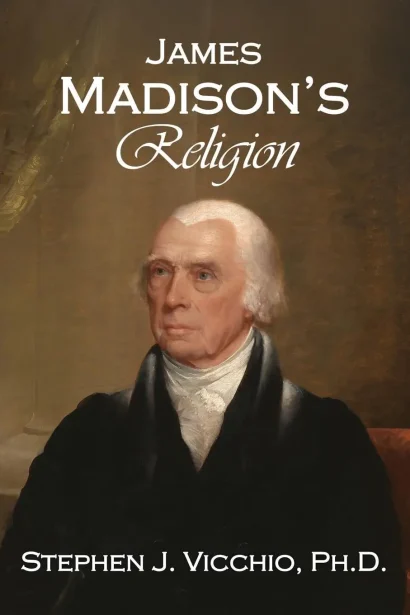
James Madison’s Religion
James Madison’s Religion reveals how Madison’s private convictions shaped America’s public liberty. Drawing on letters, debates, and overlooked manuscripts, it traces his journey from Anglican Virginia and Presbyterian schooling through Enlightenment influence to the Constitutional Convention, showing how his conscience-first philosophy became the blueprint for the First Amendment. Madison saw pluralism as strength and state control of religion as a path to oppression. Blending biography, intellectual history, and political analysis, the book explores his debates with Jefferson and Hamilton, why the amendment’s wording mattered, and how his “theology of liberty” still informs today’s fights over belief, speech, and the public square.