Description
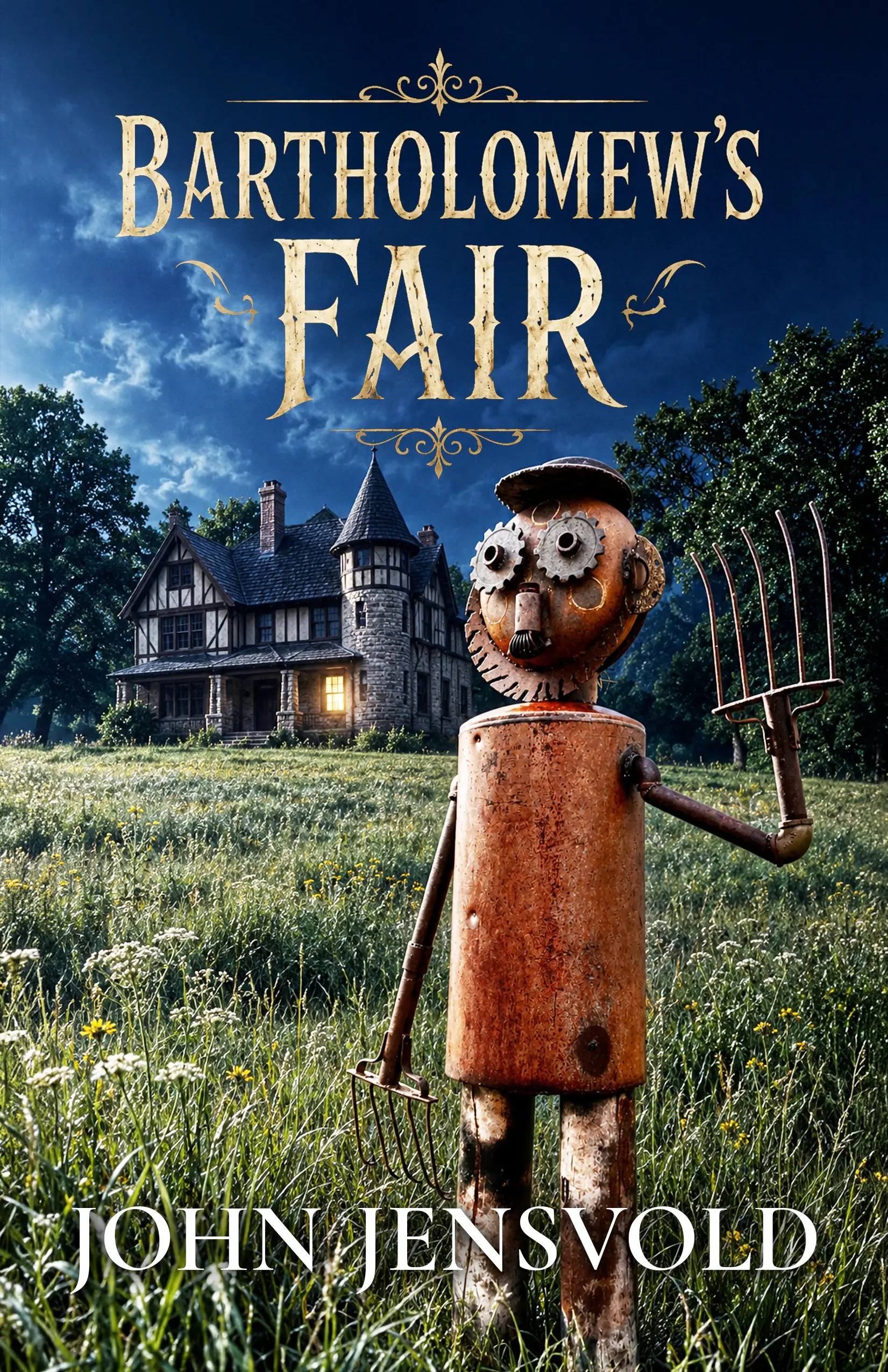
After his wife’s sudden death, Jonathon Mayes does the only thing grief allows—he drives until the road becomes a question. On the bluffs above Lake Pepin, he finds an old Tudor mansion, a forgotten village that was never built, and the dark legend of Wilson Crowley, an English showman whose American dream was paid for in human suffering. What begins as escape becomes obsession. A vanished wife, a damaged girl named Meadow, a haunted painting, a historian’s dangerous discovery, and the ghostly blueprint of Bartholomew’s Fair pull Jonathon into a mystery where the past is not buried—it is waiting. At once gothic, tender, suspenseful, and wildly original, page-turning Bartholomew’s Fair is about grief, desire, exploitation, and redemption. It asks how much of history survives inside a house, and what happens when a distraught man starts listening—and discovers some stories refuse to remain finished.
As a novelist, I admire books that take real risks—and Bartholomew’s Fair takes them beautifully. John Jensvold begins with the rawest human wound, then follows grief into historical mystery, and the strange architecture of a haunted place. What impressed me most is the novel’s confidence: its patience with character, its eye for landscape, and its willingness to let sorrow become suspense without ever cheapening it. This is a rare, imaginative work—part psychological journey, part gothic puzzle, part moral reckoning. Bartholomew’s Fair is the kind of novel other writers read with envy, gratitude, and deep respect.
—Daniel Roettger, author of Rolling Pigeons